

Hello,
I’m Kasper and this is a white audit of “Klinika Holi”. An external, signal-based analysis of a real business - built from public data, observable behavior, and pattern recognition. No access to internal dashboards.
In this article, you’ll learn:
Why Klinika Holi is worth analyzing right now.
How its growth system actually works.
What drives growth and where the leaks are hiding.
Actionable levers that will drive scalable growth in 2026.
Strategic Summary:
Holi is scaling in the medical obesity market by building a hybrid moat (AI + Medical Ops). However, their growth engine is currently leaking at the pricing stage. Meanwhile, their content strategy is stuck in a "Hamster Wheel" of high-frequency, low-compounding output. Fixing these points and activating a few hidden levers could drastically boost their conversion efficiency.
1. Why This Company Matters Now
While the market is flooded with AI startups that are heavily focused on building pure-play SaaS, Klinika Holi is tackling a far more complex category: Obesity Treatment. This sits at the intersection of medicine, behavioral change, and long-term engagement.
Most AI products lack defense; the technology is commoditized. Holi is different. Their hybrid model (AI + Physical Operations) creates a genuine moat. You cannot simply “copy-paste” a clinic that requires doctors, trust, and medication.
Look also at the execution. They built the platform, staffed the medical team, launched the marketing and achieved net profitability.
The Year 1 Traction:
Funding: ~€710k (Pre-seed, late 2023)
Scale: 1,000+ active patients
Performance: €190k Revenue → €24k Net Profit
The Signal: Most startups burn cash to fake growth. Klinika Holi posted a net profit in its first full operating year. That is worth dissecting.
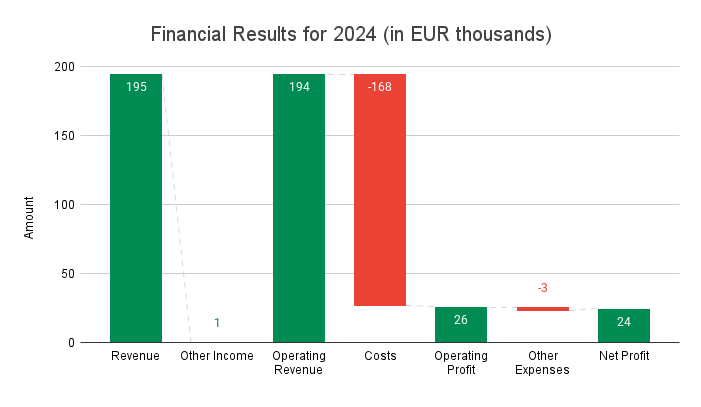
By late 2025, Holi closed a €3M Seed round and reached 2,500 active patients. According to the CEO, the roadmap for 2026 is clear: expansion into Spain and Italy.
Three elements make this trajectory worth analyzing:
Early Viability: The business is not bleeding cash. This proves pricing discipline and healthy unit economics.
Consistent Traction: Growth from 1,000 to 2,500 patients is steady, not explosive. In MedTech, predictability is more valuable than volatility.
Capital Escalation: The €3M round will accelerate growth.
Now, the question is not whether the company is growing - but how.
2. Product & Market:
Klinika Holi is not for people who want to “drop 5 kilos before summer.” The company explicitly frames obesity as a medical condition requiring intervention, not an aesthetic goal requiring motivation.
The target customer deals with obesity or metabolic disorders - insulin resistance, Type 2 diabetes, or cardiovascular risk. The positioning is strictly preventive and medical, not aspirational.
Market size and structural opportunity
Obesity is a structural crisis. In Europe alone, more than 200 million people struggle with obesity, creating a market valued at over €43 billion. It is a long-term, demand-heavy category driven by demographics, lifestyle, and systemic healthcare inefficiencies.
Unit economics signal
Holi operates on an expected customer lifetime (LTV) of 6 to 12 months. This implies recurring engagement and behavioral change supported by medical oversight—not a one-off transaction.
From a business model perspective, this LTV window suggests:
Higher CAC Tolerance: They can afford to pay significantly more to acquire a user than mass-market fitness apps.
Trust as the Primary Gate: Conversion relies on upfront credibility, not impulse.
3. The Audit: How Demand Enters
Holi operates in a “medical environment.” In a regulated, trust-heavy category, the right strategy is Demand Capture, not Demand Creation. You don’t “hype” medical treatment; you build exposition and credibility.
3.1 Social Media
LinkedIn: Correctly Deprioritized
LinkedIn is used in a low-frequency, corporate mode: company milestones, funding, key announcements. This is the right call. LinkedIn is not a primary demand channel for obesity treatment, and forcing volume here would add noise without ROI. I can’t see red flags.
Facebook & Instagram: the “Hamster Wheel” trap
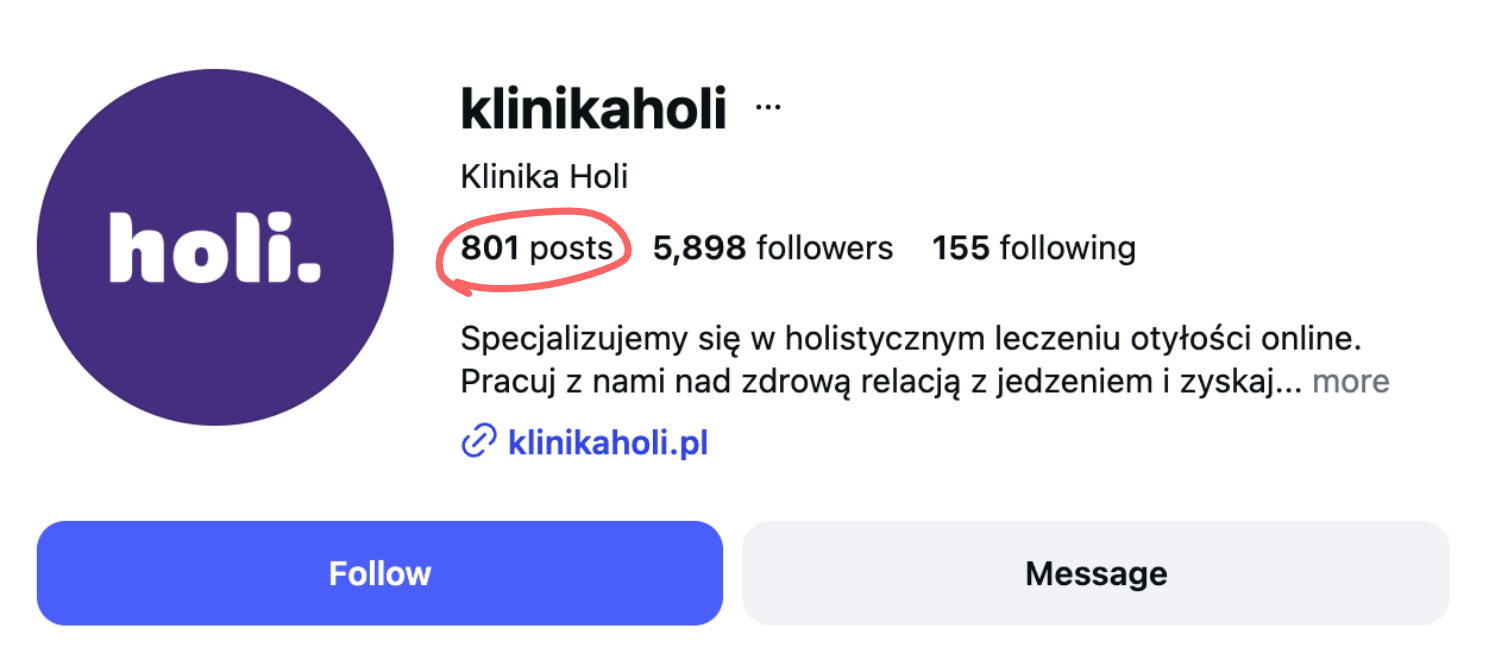
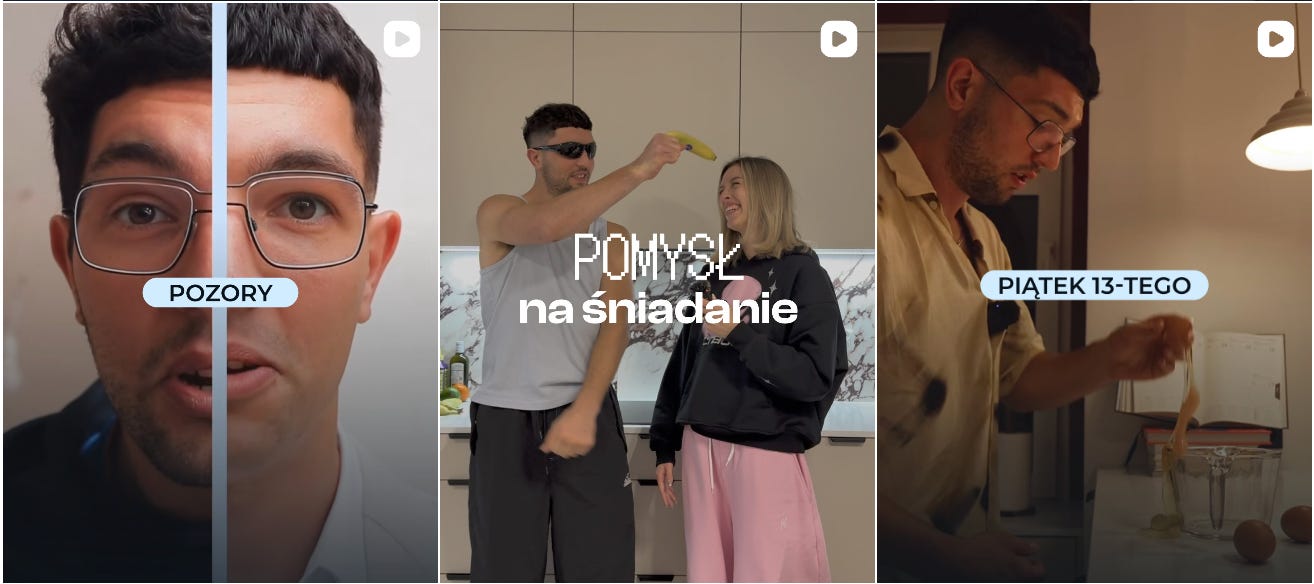
Activity on Facebook and Instagram reveals quantity over quality. The system is optimized for output, not outcome. The company has published ~800 Reels in three years. The volume is massive, but engagement and account growth are disproportionately low. The content is visible, but it doesn’t stick.
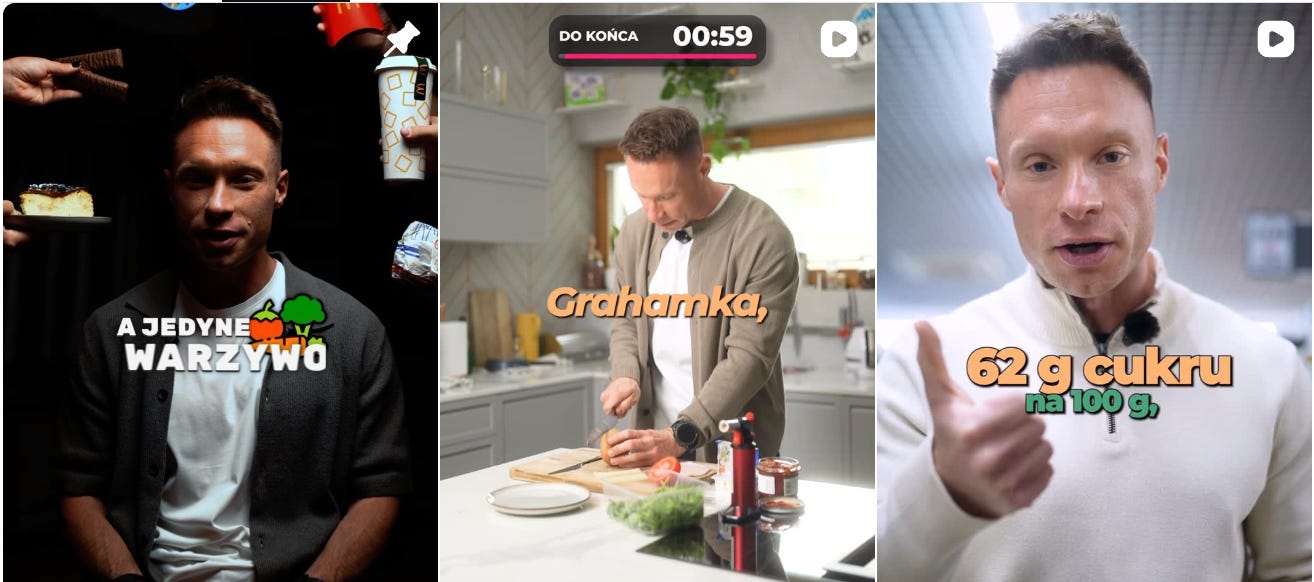
Compare this to market leaders like Michał Wrzosek or Artur Karapetyan. They win because they teach dynamically. They build authority through explanation before they attempt to sell. Their content is an asset that compounds; Holi’s content “disappears quickly”.
Holi has the ultimate asset - real doctors and medical expertise - but the current format doesn’t exploit it.
⚠️ The Leak: High production volume with low asset value,
💡 The Lever: Shift from “Brand Content” to “Dynamic Expert-Led Education.”
3.2 Paid Acquisition
Meta Ads:
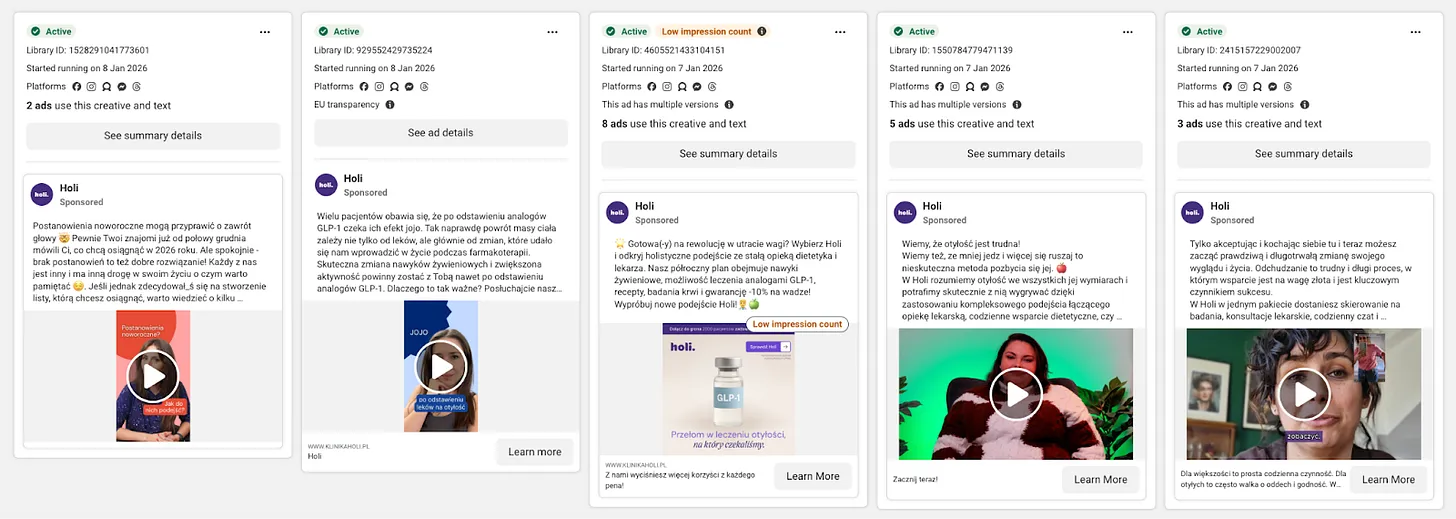
Paid ads operate under strict medical regulations: no direct pricing claims, no “before/after” promises. Within these limits, the company actively tests diverse themes, especially for Meta Ads:
Transformation Narratives (Focus on the journey).
Modern Methods (GLP-1/Medical approach).
The Struggle (Validating the difficulty of weight loss).
Motivation (Psychological support).
While the themes are correct, an external review of the Ad Library does not reveal a visible system based on a structured Communication Matrix or Persona Awareness Levels.
For a medical product, the communication needs to distinguish between:
Level 1 (Problem Aware): Focused on the pain (“Why can’t I lose weight?”).
Level 2-4 (Solution/Product Aware): Focused on the choice (“What’s on the market, what to choose?”).
To scale efficiency, the strategic fix is to implement a Modular Creative Grid (Slogan + Visual). This allows for rapid testing of specific angles against value propositions and awareness levels. This approach is successfully used by leading Polish brands like ForMeds or Health Labs, which rely on simple, convincing narration.
⚠️ The Leak: Mismatched messaging: ignoring the user’s Awareness Level and stage at Customer Journey.
💡 The Lever: Implement a Modular Grid to target specific user mindsets.
Google Ads: High Intent & The Hidden Asset
Google Ads is a strong strategic choice because it captures high-intent traffic. Unlike social media (scrolling), search traffic consists of users actively looking for a solution.
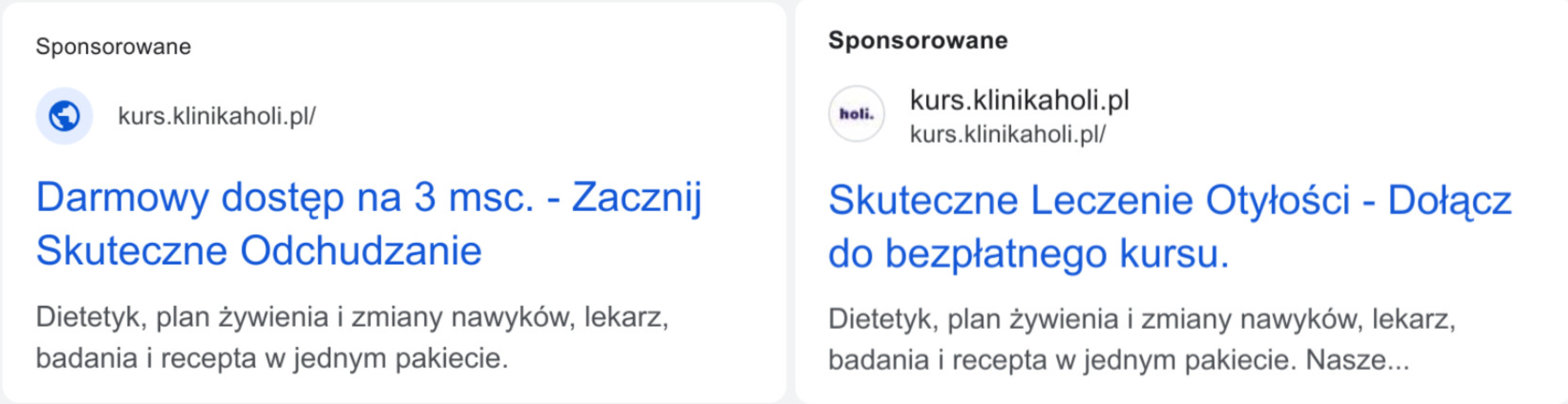
Apart from standard search campaigns, the most interesting element is how they utilize a specific Lead Magnet. They promote a valuable free course, but with a twist: it is accessible only via ad clicks. It is invisible on the main site unless you find the specific landing page via Google.
The Diagnosis: Great Asset, Limited Leverage
The Logic: Using the course as a “curiosity trigger” and a soft filter for paid traffic.
The Flaw: Education is the most powerful trust-builder. Hiding your best educational asset from organic visitors restricts your ability to build an owned audience.
The right move is to integrate the course into the main “Knowledge Base” and ungate it in exchange for an email. Why? To build a First-Party Data asset (Newsletter). In a High-LTV model, you need to own the contact channel to educate and nurture the user until they are ready to buy - rather than paying Google for every single interaction.
⚠️ The Leak: Restricted distribution: High-value asset limited to paid traffic only.
💡 The Lever: Convert the hidden course into a public Lead Magnet for a Nurture Newsletter.
3.3 Organic & SEO
SEO Content: Built for Algorithms, Not for Authority
Content production in 2024 appeared intentional and correct, successfully building early topical coverage. By the beginning of 2025, the domain reached hundreds of TOP10 keywords in Google Search.
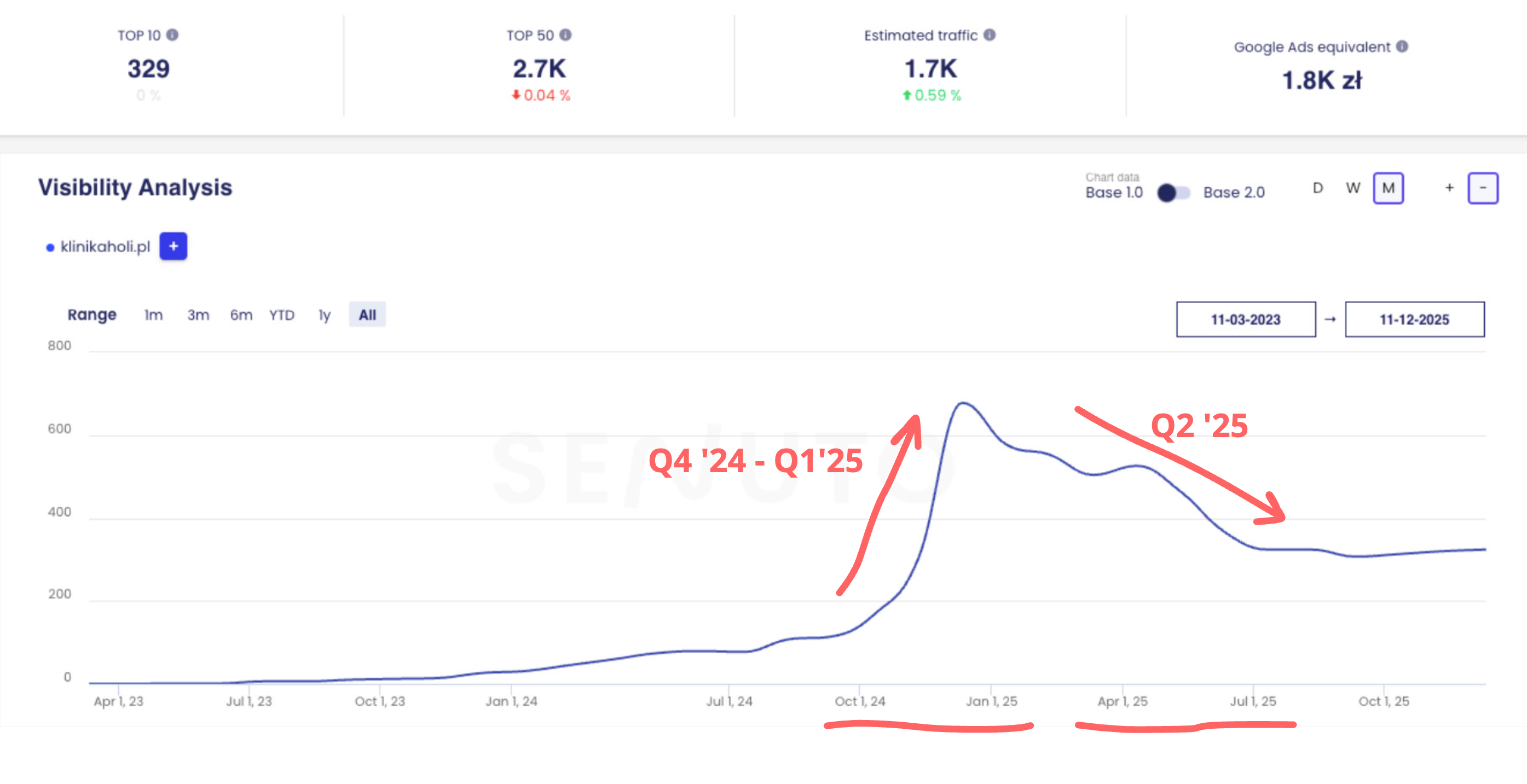
In 2025 there is a visible mass refresh of article dates. This tactic correlates with distinct ranking volatility, as data suggests a decline in TOP3 and TOP10 visibility around Q2 2025. Two scenarios are likely here:
Self-Inflicted: Large-scale mechanical refreshes disrupted established authority signals.
Reactive Failure: The refresh was a desperate reaction to a Google Core Update hit—which ultimately failed to reverse the downward trend.
Regardless of the cause, uniformly updated dates signal content optimized for SEO mechanics, not for readers.
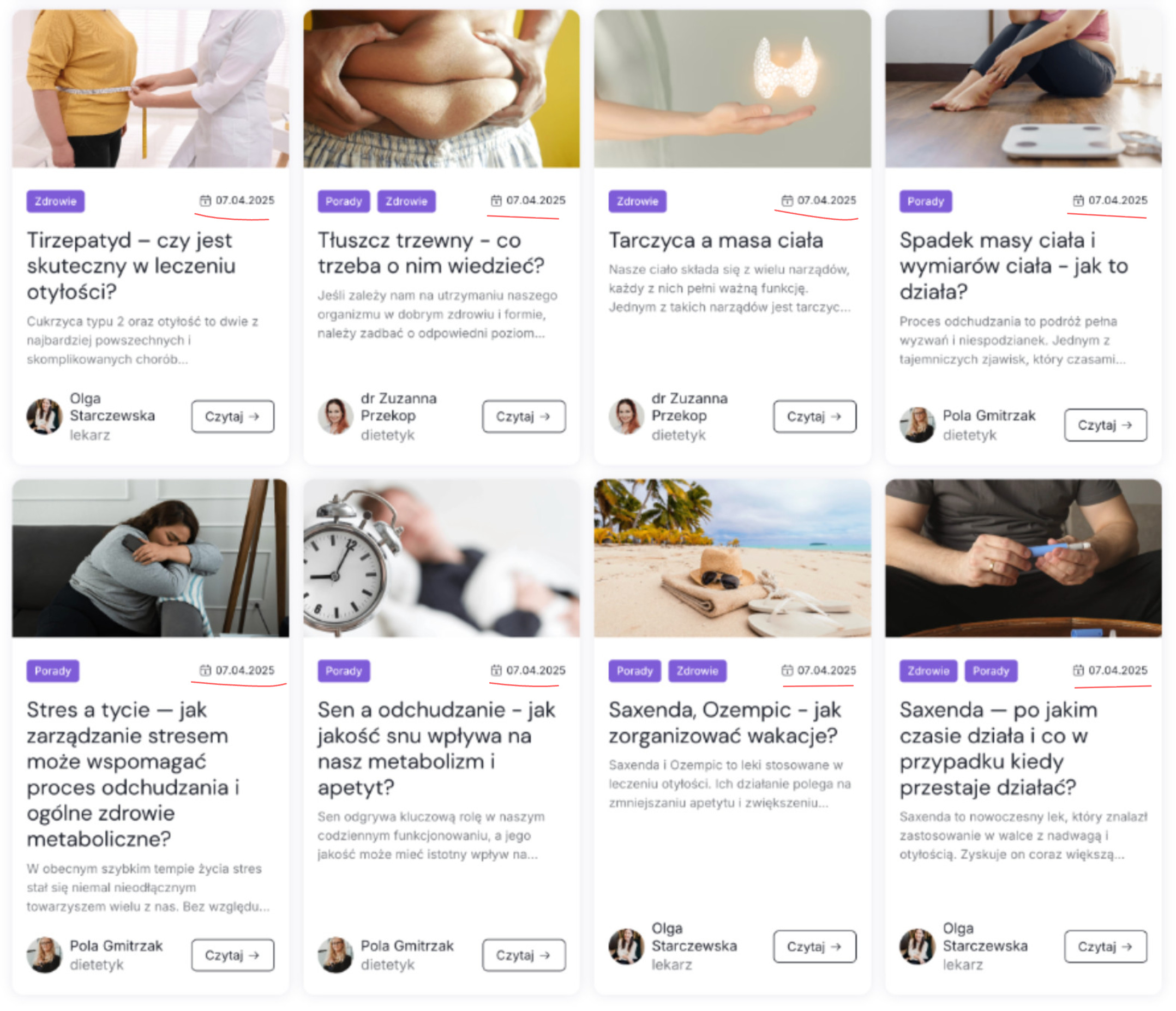
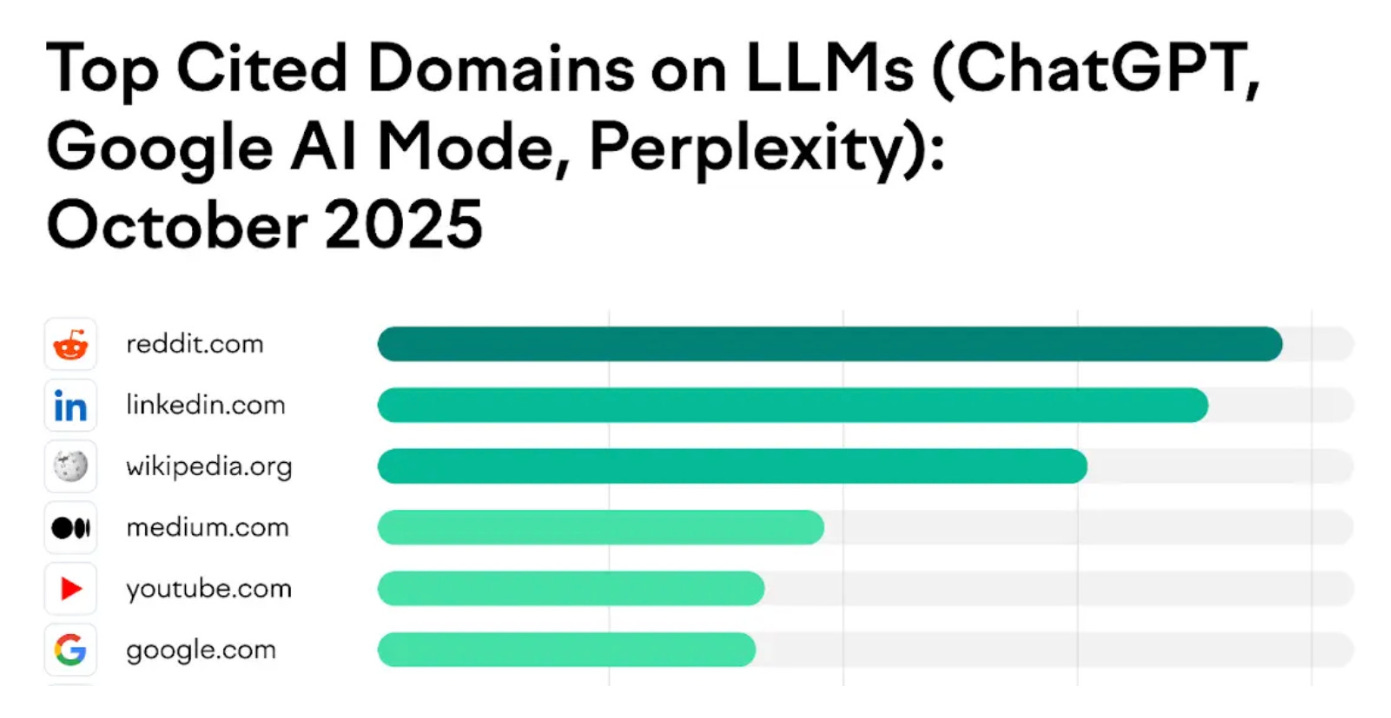
Crucially, the content lacks human anchors: case studies, practitioner-led essays, and named experts sharing real clinical experience. This exposes a major weakness: while generic content may still rank in traditional Search (SERP), it fails in LLM optimization.
LLMs increasingly surface content from Reddit or LinkedIn because they reward unique, first-person perspectives over rewritten definitions. Therefore, shifting focus to Answer Engine Optimization (AEO) grounded in E-E-A-T principles is no longer optional - it is critical.
Right now, Holi’s content is searchable - but likely not yet widely quotable.
⚠️ The Leak: Algorithm-first updates and “thin” authority.
💡 The Lever: Shift to Experience-Based Content (unique knowledge) to win both Google and LLMs.
3.4 Diagnostic Tools: The BMI Calculator
The decision to build a BMI calculator was a highly effective strategic move, tapping into a massive, recurring demand pool. Market analysis reveals a rare great opportunity:
Volume: ~135,000 monthly BMI-related searches in Poland.
Intent: Purely diagnostic, not just inspirational - aligning perfectly with Holi’s medical positioning.
Competition: Very low.
Cost: CPC at ~PLN 0.03. (~EUR 0.01)
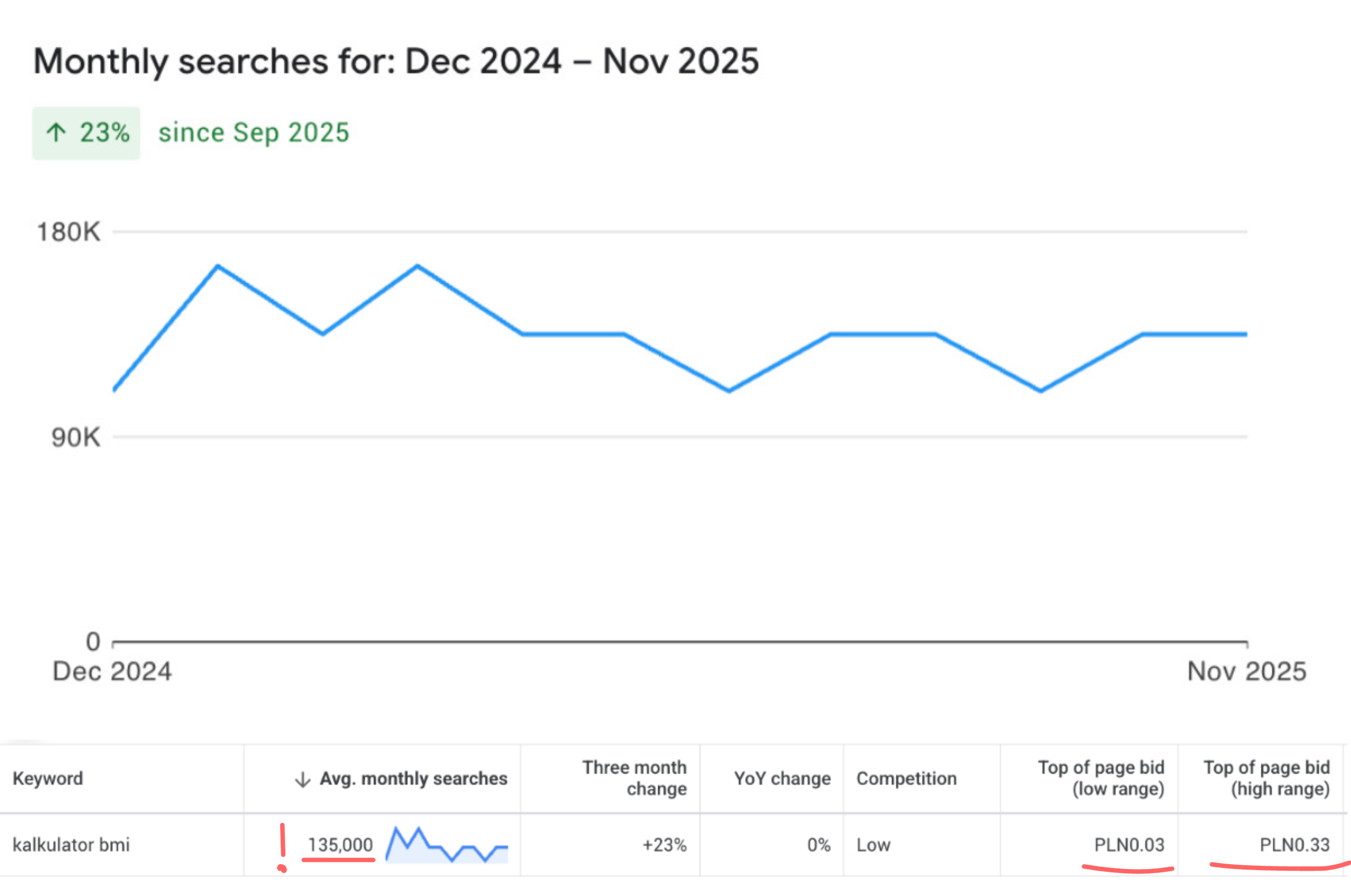
This indicates strong intent with almost no serious advertiser pressure. Importantly, BMI searches are self-diagnostic: users are likely identifying as underweight or overweight, which is precisely the segment Klinika Holi targets.
The Execution Gap (UX) However, the current execution creates unnecessary friction.
Scrolling Requirement: Results are not immediately visible without user action.
Visual Clutter: The layout is distracted by decorative images that add no functional value.
Friction: It lacks a seamless “one-click share” or “save result” feature.
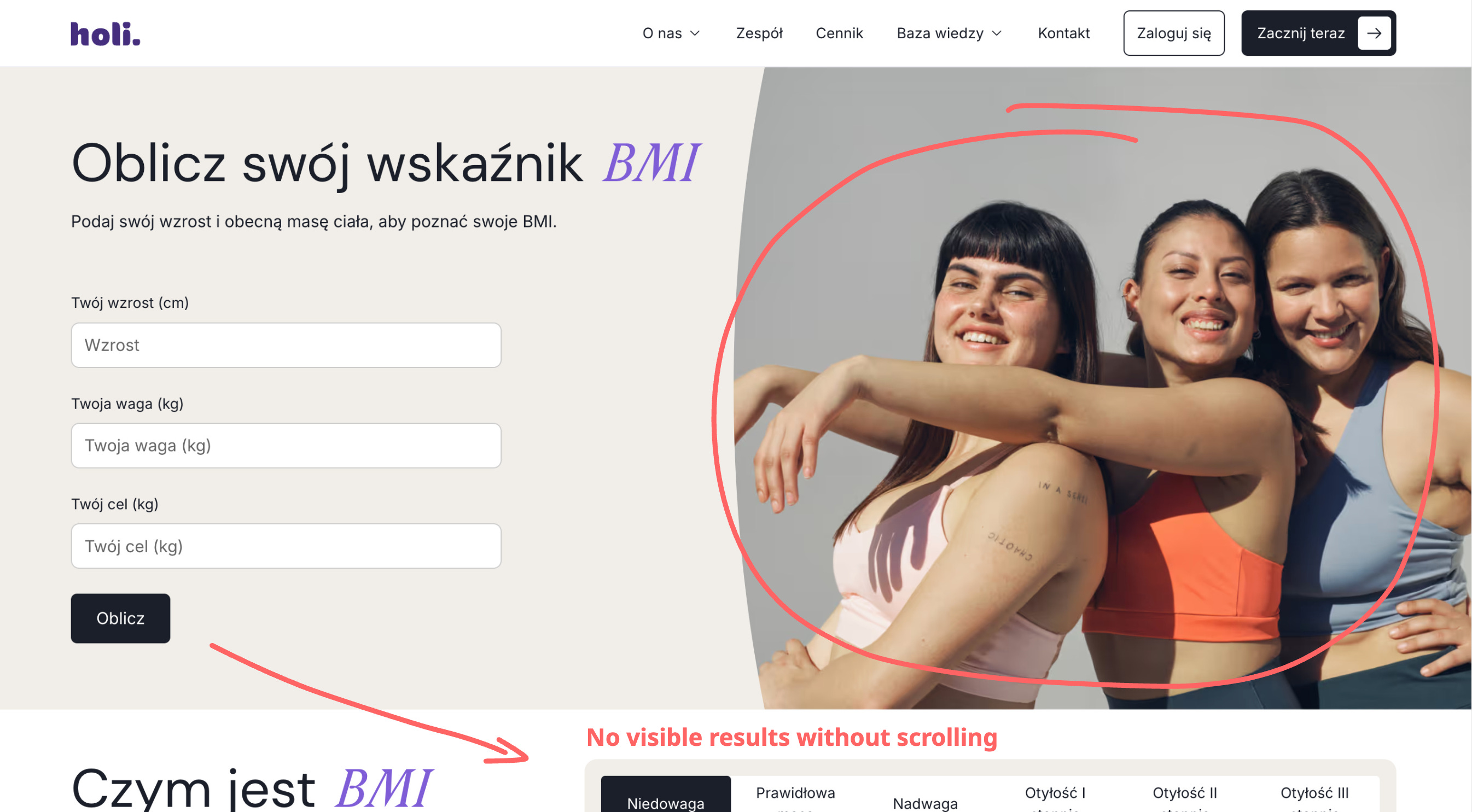
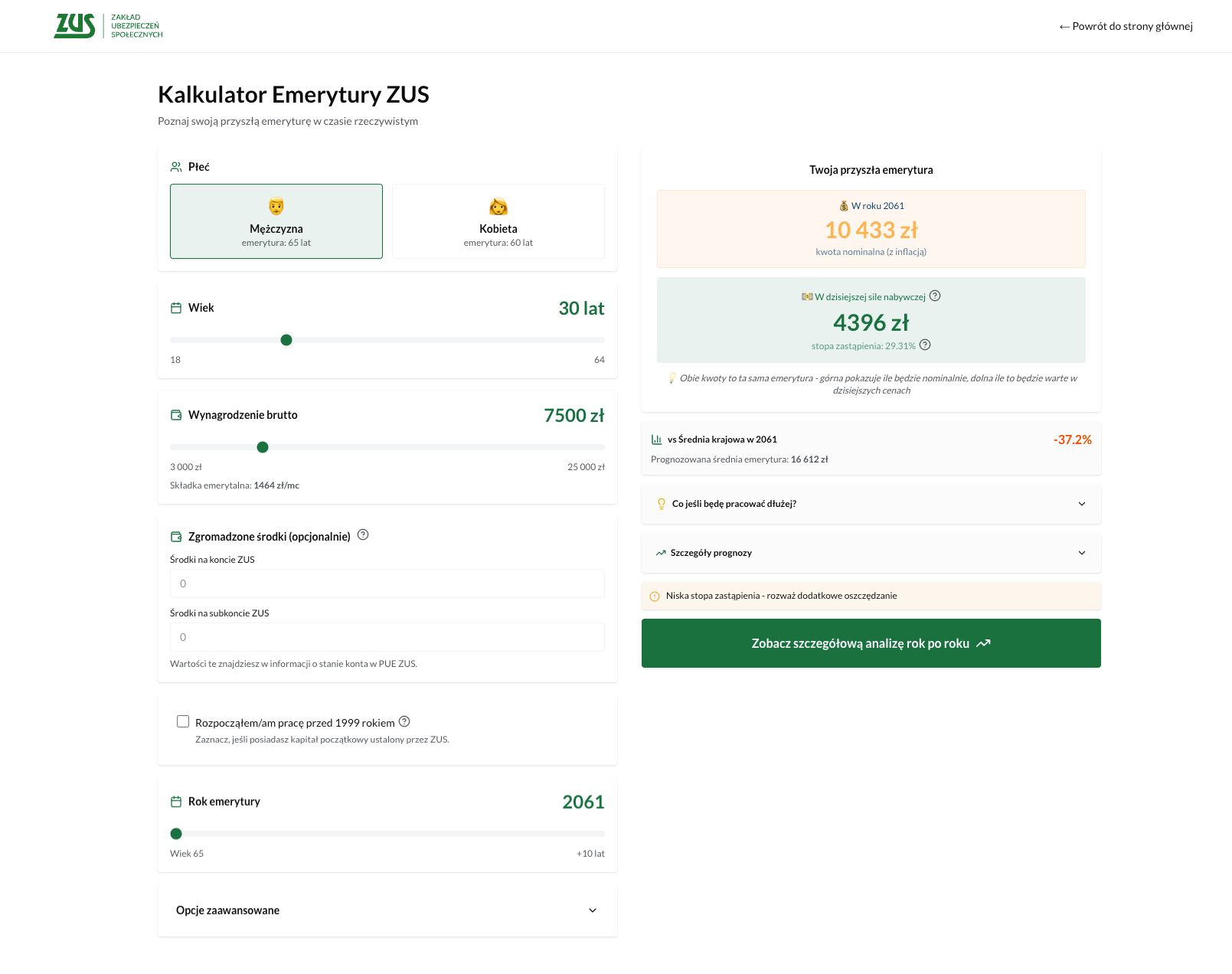
The tool must imply instant utility: input → result. No clutter. Just a seamless top-of-funnel qualifier that fits virtually on a single mobile screen.
To illustrate this, let me show you a retirement calculator our team built for ZUS (the Polish Social Security Institution). This project was awarded at HackYeah! - one of Europe’s biggest hackathons. Why? Because we turned a complex problem into a simple UI. We created a frictionless UX focusing only on key features, all on one screen, without any distractions.
Consider the missed paid opportunity. With a CPC as low as ~PLN 0.03, BMI queries should not be treated solely as SEO traffic. There is a strong business case for running dedicated Google Ads here to own the entire “diagnostic moment.” This strategy builds top-of-funnel volume cheaply, introducing the Holi brand before users even start looking for specific treatments. It turns a simple utility into a brand awareness engine.
⚠️ The Leak: UX friction and passive reliance on SEO; ignoring the low-cost paid opportunity.
💡 The Lever: Use Paid Ads to dominate the Diagnostic Moment and optimize UX for instant gratification.
4. Conversion & Trust: Where Interest Turns Into Commitment
4.1 Onboarding: build momentum
Klinika Holi positions itself around a clear message: “Discover obesity treatment that works with you.” The communication is process-led, not aspirational.
The onboarding process builds credibility through strict qualification and intentional exclusion. The journey starts with a medical questionnaire built in Typeform. It is light, fast, and non-intimidating, yet creates a sense of personalization and medical seriousness. Follow-up communication adapts well to declared motivations.

Crucially, not every user is accepted. The possibility of disqualification introduces an element of credibility and medical integrity. In a category often driven by overpromising, exclusion acts as a strong trust signal.
Observation: Based on repeated test completions, this stage builds momentum rather than friction. I can assume no major conversion leaks here.
4.2 Trust Signals: Institutional Over Emotional
Holi prioritizes institutional authority over emotional engagement, clearly optimizing its early positioning for credibility rather than speed or hype. This strategic choice is evident in several publicly observable signals:
Social proof through scale: Prominently communicating 2,500+ patients served. This acts as a reassurance mechanism: “others have already trusted us.”
External validation: Ratings on kliniki.pl and a medically grounded narrative.
Expert-forward positioning: The entire team (doctors, dietitians) is visible. This is not standard for many digital services. Here, the people are the product.”
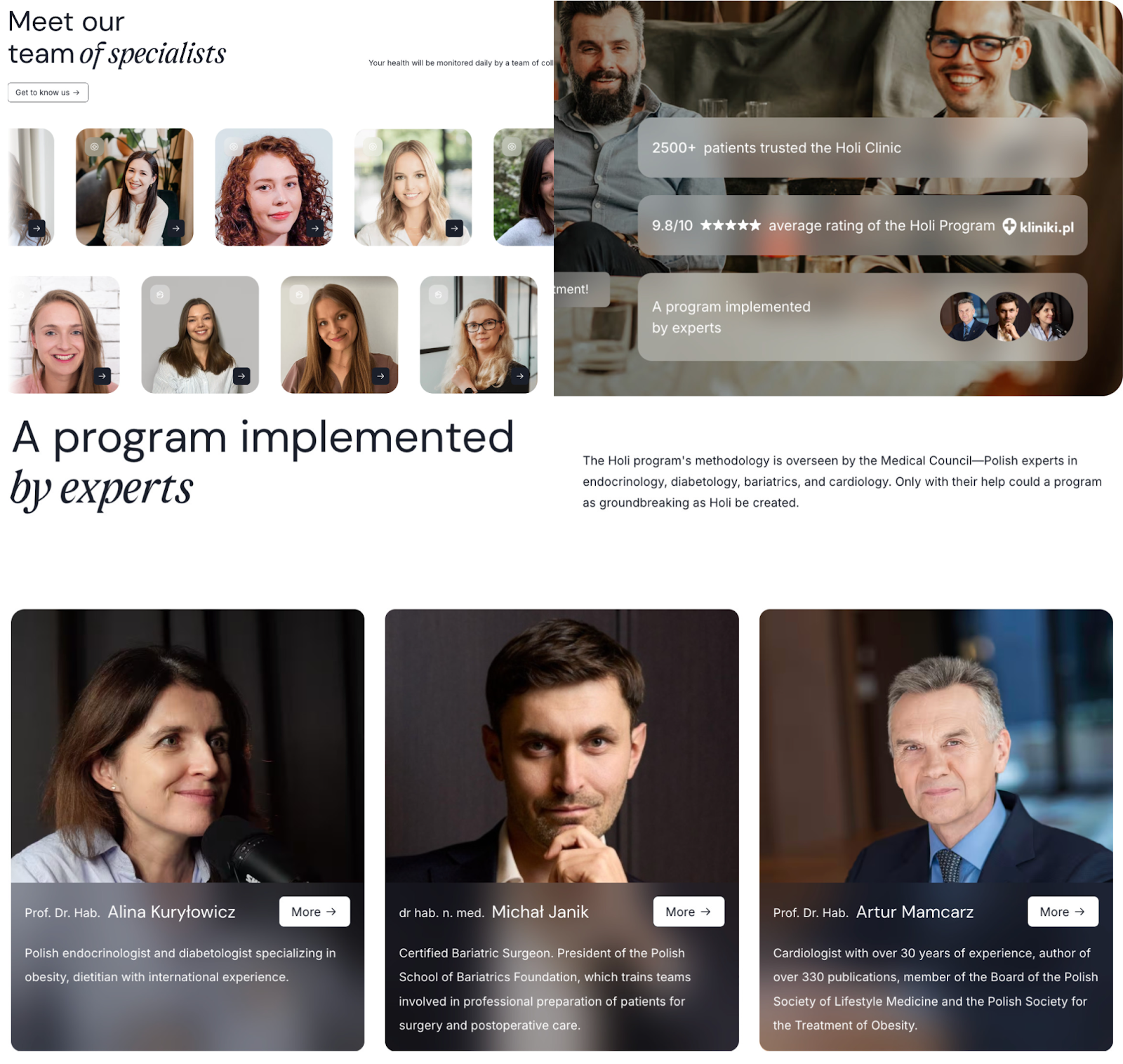
There is a notable disparity between the company’s operational scale and its visible social proof. Despite serving over 2,500 users, the volume of visible success stories is limited (only 4). This stands in sharp contrast to competitors like Centrum Respo or Sylwetka Hollywood, which aggressively leverage before/after stories and social proof as their primary conversion engine.
Note: This discrepancy is not a judgment yet - but a signal worth examining.
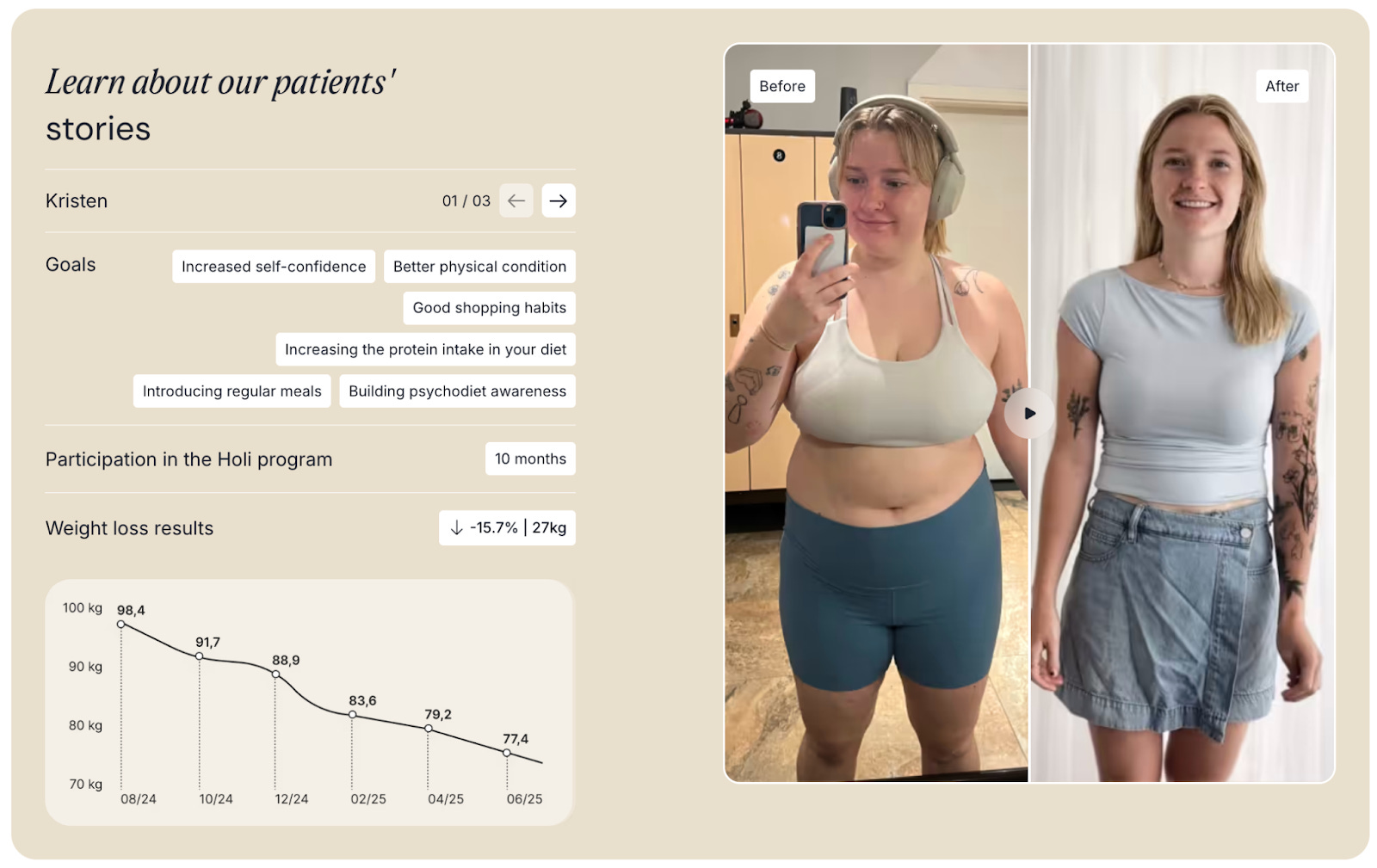
Early Interpretation: At this stage, Klinika Holi favors institutional trust (credentials, structure) over emotional proof (transformations). While this likely increases credibility among cautious, medically-oriented users, it may cap conversion velocity compared to more aggressive models.
It is crucial to emphasize that unlike “invisible” chronic conditions, obesity is visible. Successful treatment results in a physical transformation that patients are often proud to share - much like in orthodontics.
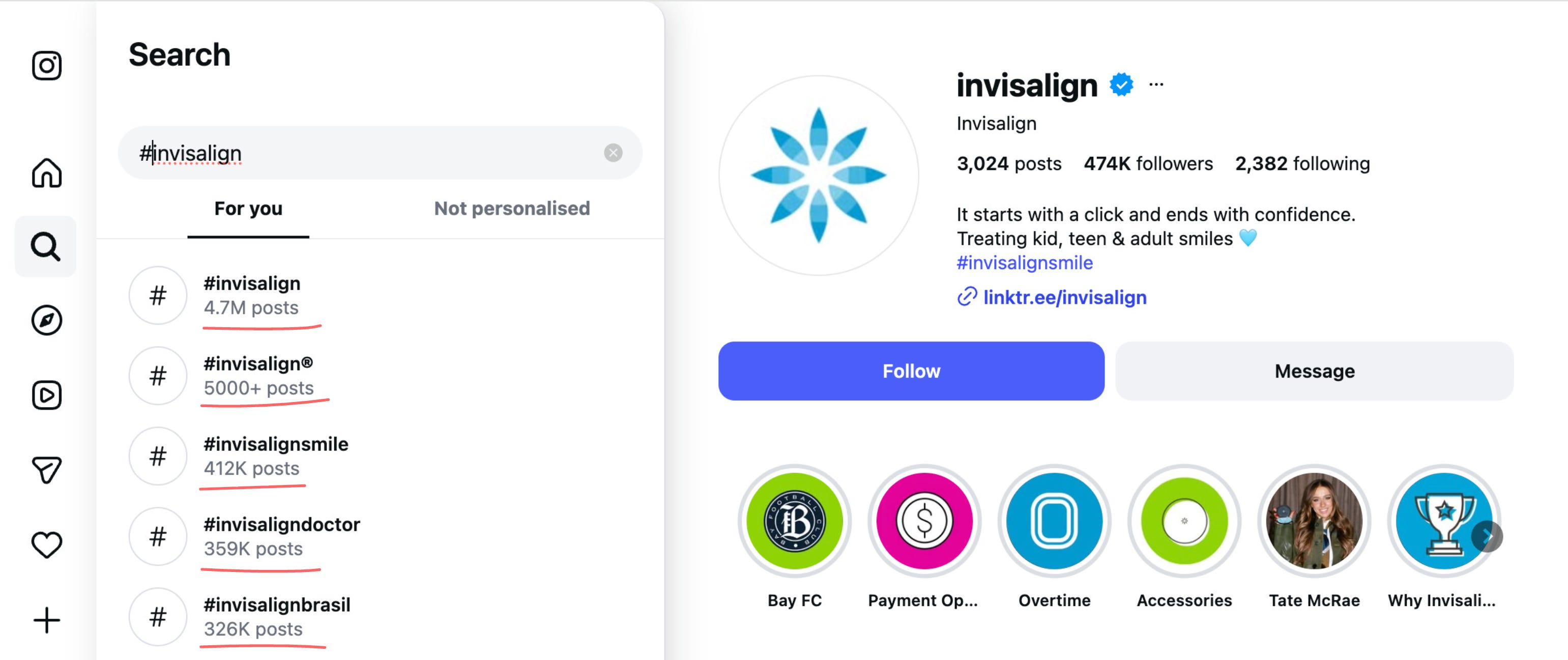
A prime example is Invisalign, which has mastered this dynamic. By turning patient pride into viral social proof, they scaled to 21M patients and over 4.1M Instagram posts (September 2025). For Holi, this currently represents a significant, untapped asset.
4.3 Pricing & Purchase Experience
A significant bottleneck emerges at the pricing stage, where the interface creates friction through cognitive overload. Too much information competes for attention, making it difficult for users to answer three fundamental questions within seconds:
What exactly do I get?
How much does it cost?
What is not included but I have to pay for?
Compared to classic SaaS or premium service benchmarks, clarity here suffers significantly.
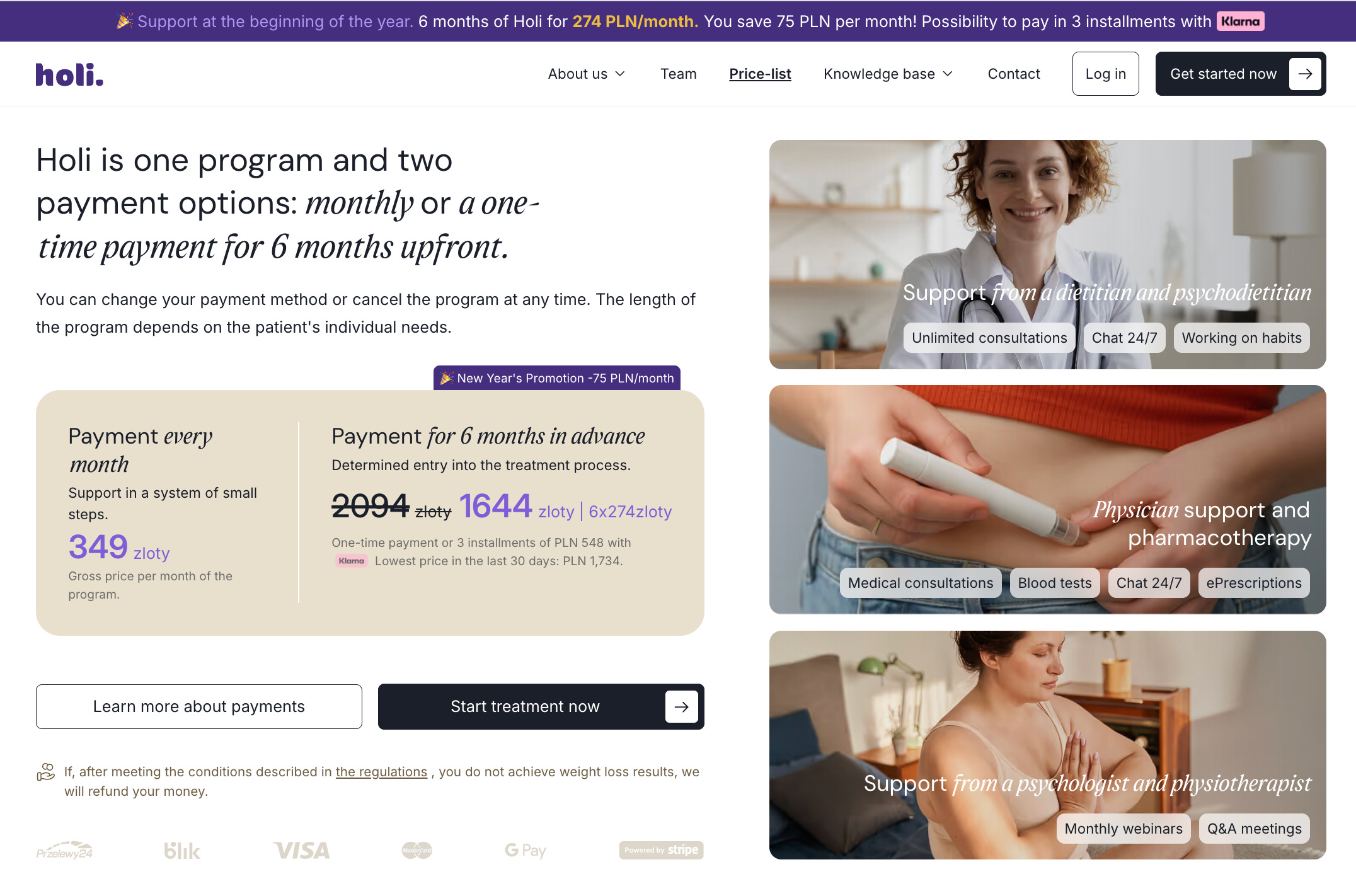
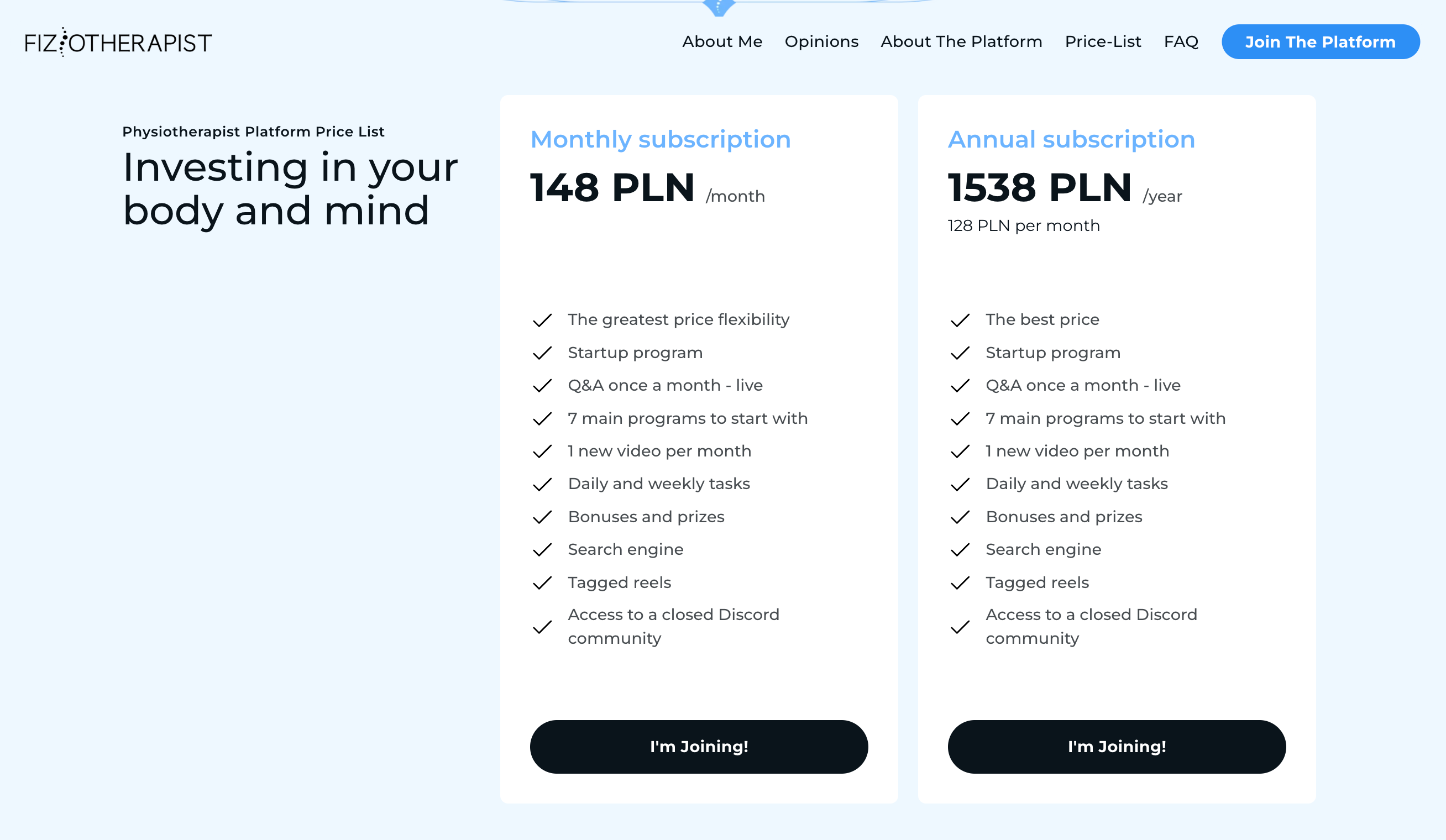
For context, consider this example from the sports-medicine sector: Artur Karapetyan’s platform. It illustrates a high-contrast approach - a simplified layout that immediately directs the user to the core value proposition, reducing cognitive load.
Critical Flaws in Holi’s Pricing Model:
1. The hidden cost trap: there is no clear indication that medication costs are excluded from the program fee. Users may realize too late that the offer is just “consultations plus extras”, not “comprehensive treatment”.
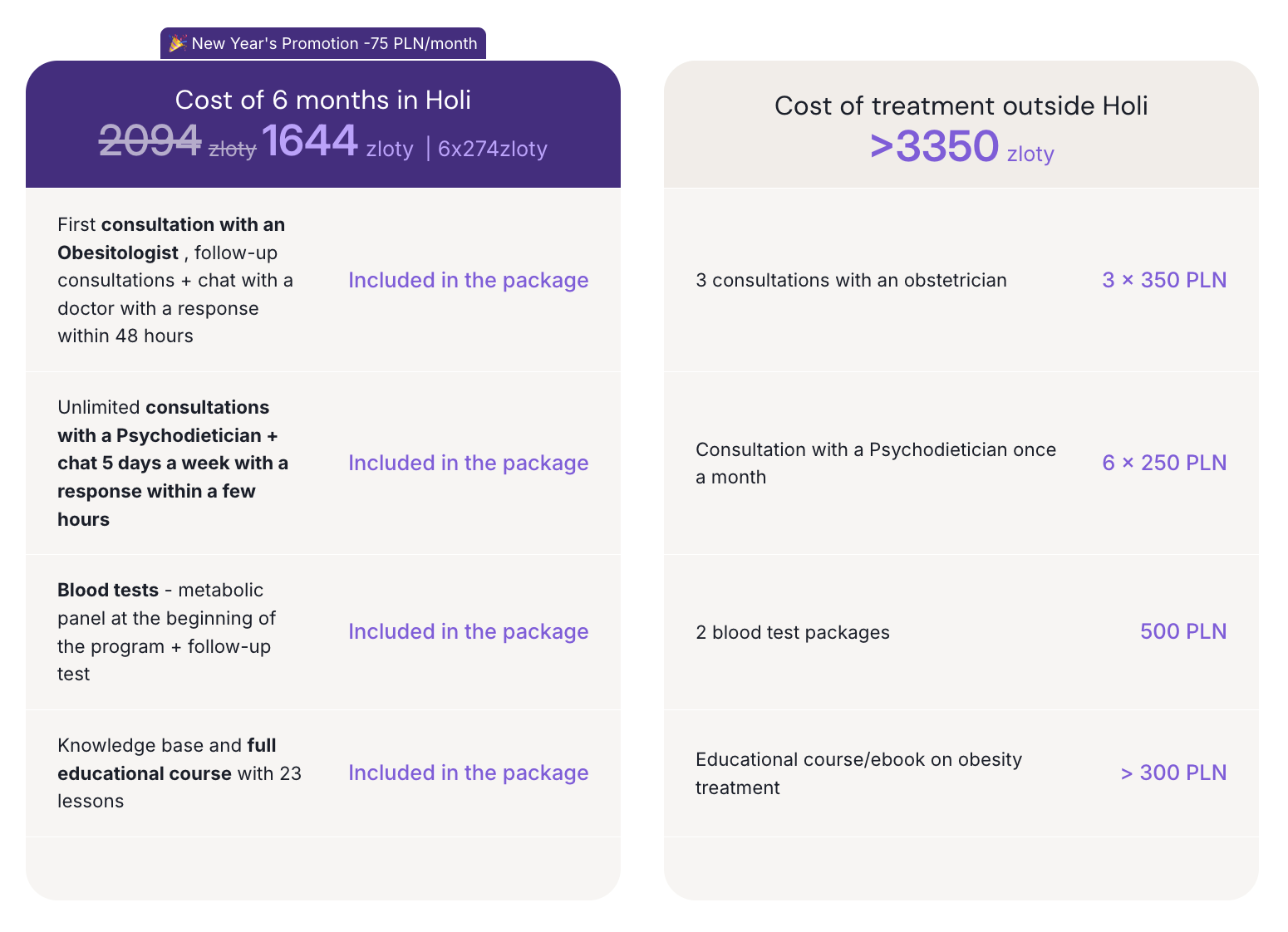
2. Weak USP (Unique Selling Proposition) & the “why pay?” objection: The USP is currently insufficient to counter the “DIY” mindset. A rational objection emerges: “Why not just do blood tests privately and consult a doctor ad hoc?”
Additionally the current USP fails to address the competitive landscape. Holi is positioned between two strong alternatives:
Public Healthcare (NFZ): For price-sensitive users.
Corporate Subscriptions (LuxMed, Medicover, Signal Iduna etc.): For users who already have access to private care.
The message does not sharply articulate why a user should pay extra for Holi when they already have access to these systems. The value of specialization and speed is lost.
A clear strength of the pricing strategy is its payment flexibility.
Monthly plans, discounted 6-month prepayments, and Klarna integration are smart choices. They effectively lower entry friction for a high-ticket service and support LTV realization.
This mirrors the successful strategy of Tutlo (online English courses), proving that flexible financing is key to mass-market adoption of premium services.
In parallel, the pricing strategy creates a structural ‘conversion cliff’ due to the absence of an intermediate step between interest and high-ticket commitment. To reduce this friction, Holi should adopt a mechanism used by the beauty sector: the ‘small payment before high commitment’ model.
The ‘High-Ticket’ Logic: Consider services like hair transplants or laser treatments >250€. Selling such services digitally without human-to-human interaction is notoriously difficult.
The standard, effective model in private clinics is to offer a paid diagnosis or consultation first. This creates a necessary “soft landing”. It allows the user to make a micro-commitment and build trust before facing the decision to purchase the full medical program.
A potential ‘Bridge’ offer could be structured as follows:
Initial consultation with an obesitologist for ~250 PLN. Includes full diagnosis and next-step recommendations.
If the user continues, this fee is credited toward the program price. If not, the 250 PLN covers the CAC.
This mechanism lowers psychological barriers, builds trust through diagnosis, and moves the user into “skin in the game” mode
⚠️ The Leak: A direct jump from a questionnaire to high-ticket pricing (Commitment Shock).
💡 The Lever: Use a personalized medical consultation as a paid entry product (The Bridge).
5. External Validation: Why the ‘Holi Method’ Matters
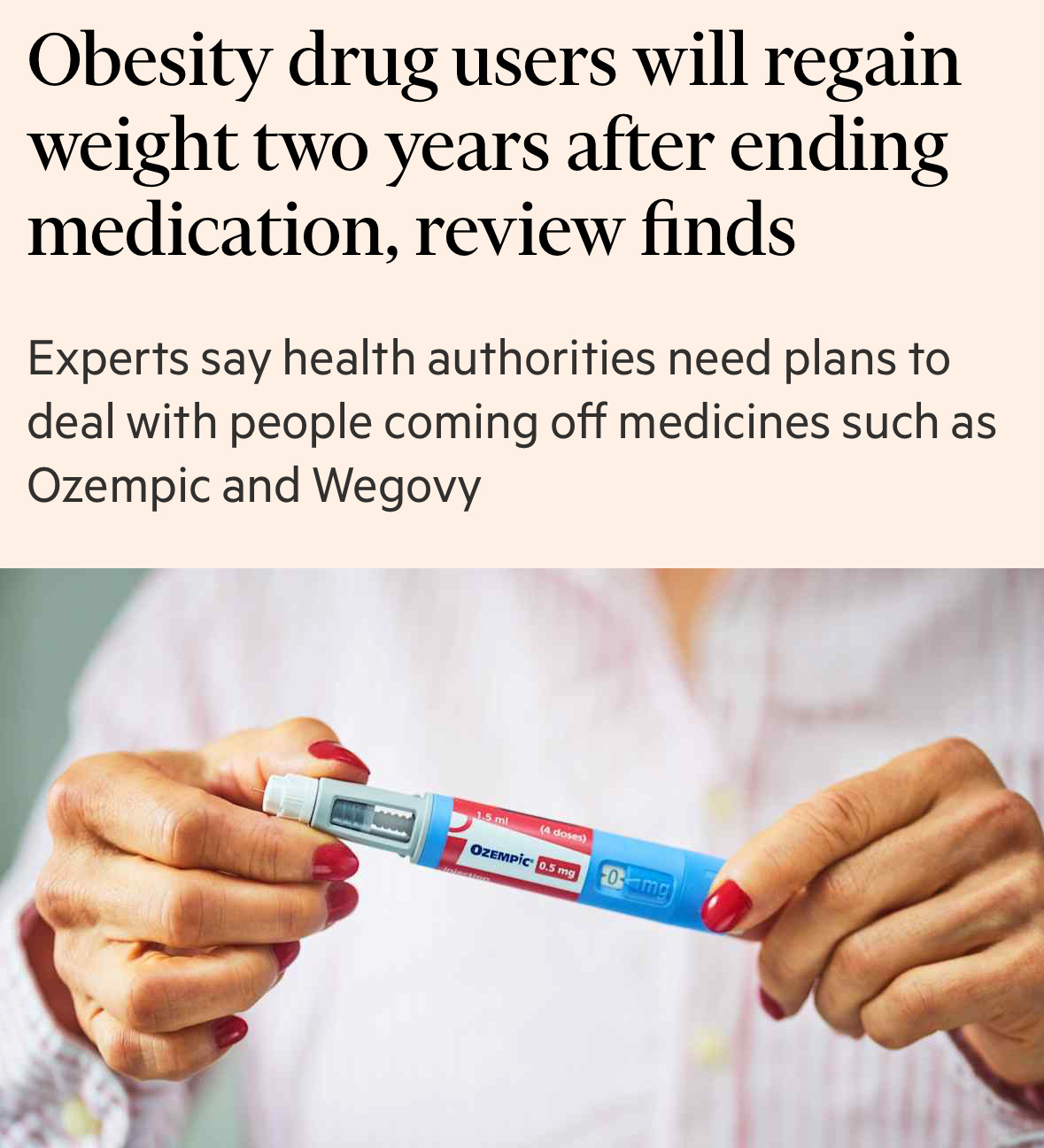
A critical external signal reinforcing Holi’s positioning comes from recent reporting by the Financial Times regarding GLP-1 drugs (e.g., Ozempic).
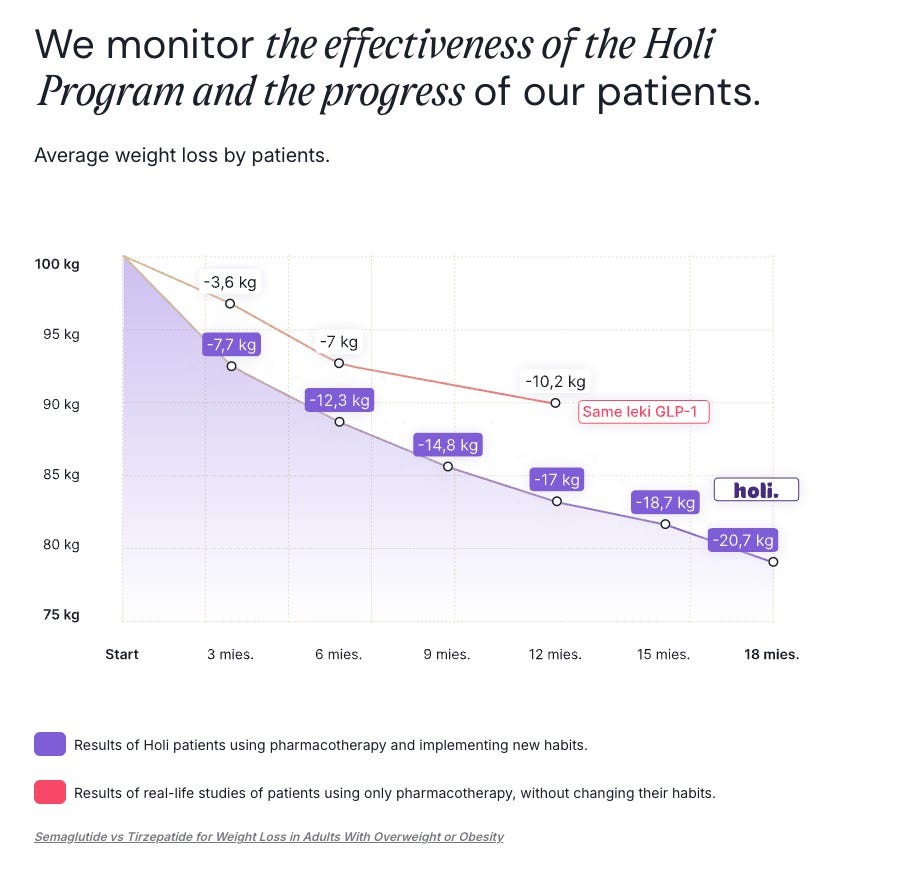
Data from the US indicates that patients who discontinue obesity medication often begin to regain weight. While pharmacology is highly effective during use, outcomes weaken significantly once support is removed. This proves a vital point: obesity is a chronic condition, not a short-term hurdle.
Without fundamental behavioral changes, drugs alone cannot sustain long-term results. This external validation strengthens Holi’s core thesis. By focusing on the ‘system’ (doctor + dietitian + tech) rather than just the ‘prescription,’ Holi is positioned on the right side of the clinical evidence.
8. Final results: Levers, Leaks, and Strategic Moves
💡 TOP 3 Growth Levers
BMI Calculator as Awareness Engine
135,000 monthly searches at PLN 0.03 CPC. Fix the UX and scale paid campaigns to own the “diagnostic moment” before users even search for treatment.Paid Medical Entry Offer
A paid consultation that lowers the entry barrier. It builds trust through a small first step, which then credits toward the full program price.Systematic Opinion Collection
With 2,500 users, there is massive untapped social proof. Build a repeatable system to capture and distribute patient transformation stories at scale.
⚠️ TOP 3 Growth Leaks
Pricing Page Overload
High cognitive load, unclear medication exclusion, and no low-entry option. This is the primary point of conversion drop-off.Avg. Quality Content Volume
800+ Reels and algorithm-first SEO, but low engagement and thin differentiation. This is activity without compounding brand awareness.The Gated Content Gap
There is significant unused potential in building a newsletter database through free, gated video lessons (The “Hidden Online Course” model)
💎 Strategic Ideas
Partnerships with LuxMed, Medicover etc.
Placement in clinics (posters near diabetologists/dietitians’ offices). Builds trust through institutional association and physical presence.Community-Led Engagement Model
Obesity can be isolating. Organize local meetups (movement, education) led by dietetics or sports science students. This reinforces the “ecosystem, not just a clinic” positioning, similar to the “run clubs” that have been gaining popularity in recent months.Influencer Diversification
Increase collaboration with influencers. Target nutrition and fitness creators who can authentically integrate the “Holi Method” into their lifestyle content.Expert-Led Evergreen Content
Shift from high-frequency video to practitioner-led, evergreen education. This builds the authority needed for high-intent social search and LLM discovery.
Ready to improve your growth engine?
I use The Lever Map method to turn your internal data into a clear roadmap, calibrated to your specific goals and challenges. You get a tactical action plan for the next 30–90 days to move the needle where it matters most.
📩 Let's talk: hello@kasperdudek.com or [Book a 15-min intro call here]